Best Smart Speakers 2026: Complete Buying Guide for European Homes
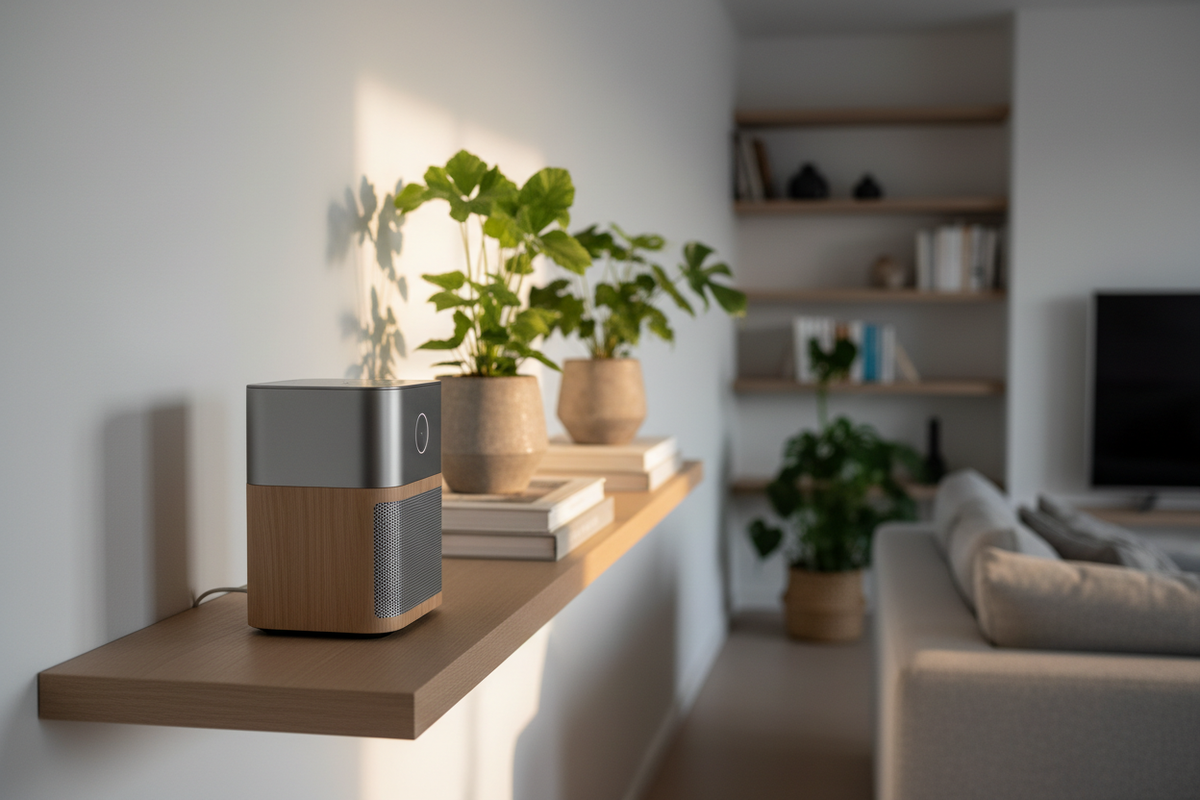
If you're shopping for a smart speaker in 2026, the options have never been better — or more confusing. From compact bedside assistants to room-filling audio powerhouses, the best smart speakers now double as the control hub for your entire connected home. Whether you're building a smart home from scratch or upgrading an existing setup, this guide covers everything European buyers need to know: compatibility with EU standards, assistant availability in your language, privacy regulations, and what to look for at every price point.
What Makes a Smart Speaker "Europe-Ready"?
Not every smart speaker sold globally is optimised for European homes. Before buying, there are a few EU-specific factors worth checking:
- Plug standard: Most smart speakers ship with a Type A (US) or Type G (UK) plug. Look for models that include a Type C or Type F (Schuko) plug, or confirm an adapter is included. EU-certified power supplies are also safer and more reliable.
- Voice assistant language support: Not all assistants support every European language equally. Amazon Alexa, Google Assistant, and Apple Siri all support major EU languages (German, French, Spanish, Italian, Dutch), but regional accents and dialects vary in quality. Always verify your language is fully supported before purchasing.
- GDPR compliance: Under EU law, smart speakers that process voice data must comply with GDPR. Reputable brands publish clear data retention policies and offer in-app controls to delete your voice history. Prioritise brands that are transparent about where your data is stored — ideally within the EU or EEA.
- CE marking: Ensure the device carries a CE mark, confirming it meets EU safety, health, and environmental requirements.
The 4 Main Types of Smart Speakers in 2026
Understanding the category you need will save you time and money.
1. Compact Smart Speakers (under €60)
Small, affordable, and ideal for kitchens, bedrooms, or offices. Sound quality is modest but perfectly adequate for voice commands, timers, news briefings, and casual music. Great entry point if you're new to smart home ecosystems.
2. Mid-Range Smart Speakers (€60–€150)
The sweet spot for most buyers. These offer noticeably better audio, multi-room audio support, and more reliable voice recognition. Many models in this range also include a small display for video calls, recipes, or smart home dashboards.
3. Premium Smart Speakers (€150–€350+)
Audiophile-grade sound combined with smart assistant capabilities. If you care about music quality as much as smart features, this is your category. Look for models with adaptive room calibration — a feature that automatically adjusts the EQ based on your room's acoustics.
4. Smart Displays
Technically a hybrid category, smart displays combine a touchscreen with a speaker. They're particularly useful in kitchens (recipe walkthroughs, video calls) and living rooms (YouTube, streaming services). Increasingly popular in European households as a central home hub.
Key Features to Compare When Buying a Smart Speaker
Once you've chosen your category, here's what to evaluate side by side:
Sound quality
Look for specs like frequency response range, woofer/tweeter configuration, and whether the speaker supports lossless audio formats (FLAC, Hi-Res Audio). For music lovers, this matters more than any smart feature.
Voice assistant ecosystem
Your smart speaker's assistant determines which smart home devices it can control natively. If you're already invested in a particular ecosystem — say, Google Home or Apple HomeKit — choose a speaker that matches. Mixing ecosystems is possible but adds friction. For a broader overview of how smart speakers fit into a connected home, see our Smart Home Devices Guide 2026.
Connectivity
Wi-Fi 6 support is increasingly standard in 2026 and ensures faster, more stable connections. Bluetooth 5.0+ is useful for pairing directly with your phone without using the home network. Some models also support Thread or Matter — the new universal smart home protocol that dramatically improves cross-brand compatibility.
Privacy controls
Look for a physical microphone mute button (hardware-level, not software). Some premium models now include an LED indicator that lights up whenever the microphone is active — a simple but reassuring feature.
Multi-room audio
If you want music throughout your home, check whether the speaker supports the brand's own multi-room system (e.g., Amazon Echo's multi-room, Google's speaker groups, Apple AirPlay 2). AirPlay 2 is the most interoperable option across brands.
Smart Speakers and Your Smart Home Ecosystem
A smart speaker is most powerful when it's the voice-controlled hub of a broader smart home setup. In 2026, the Matter protocol has made cross-brand compatibility far more reliable — meaning your smart speaker can now control devices from different manufacturers without complex workarounds.
Practically speaking, your smart speaker can:
- Adjust your thermostat by voice — pair it with one of the models in our Best Smart Thermostats 2026 guide for a seamless experience.
- Control smart plugs and power strips to manage standby consumption — something increasingly relevant given EU energy efficiency regulations. Check our Best Smart Plugs 2026 guide for compatible options.
- Trigger routines: one command can dim the lights, lower the blinds, and start your evening playlist simultaneously.
The more devices you connect, the more value your smart speaker delivers.
Buying Tips: What European Shoppers Should Watch Out For
- Check warranty terms for your country. EU consumer law guarantees a minimum 2-year warranty on all electronics sold in the EU. Buy from authorised EU retailers.
- Look for energy efficiency ratings. EU regulations require smart home devices to meet standby power consumption limits. Devices with lower standby draw save money over time.
- Consider the long-term software support commitment. Smart speakers depend on cloud services. Favour brands with a clear track record of long-term updates.
- Bundle deals can offer real value. Retailers often bundle smart speakers with smart bulbs, plugs, or displays at a discount.
- Read the return policy carefully. Buy from a retailer with a generous return window so you can test it at home in your actual acoustic environment.
Conclusion: Which Smart Speaker Is Right for You in 2026?
The best smart speaker for your European home depends on three things: your budget, your preferred voice assistant ecosystem, and how deeply you want to integrate it with other smart devices. For most buyers, a mid-range model with Matter support, a physical mute button, and full support for your language will cover every use case comfortably.
If you're just starting out, a compact model is a low-risk way to experience the category. If you're serious about audio quality or building a whole-home smart setup, invest in a premium model with room calibration and multi-room support.
Browse our full range of smart speakers at onlinestore24.eu and filter by ecosystem, price, and compatibility to find the right fit for your home.